Should You Pay Off Debt Before Buying a House? (The Honest Answer)
Buying a home with existing debt is possible, but should you? We break down the DTI rules, credit score impact, and when to pay first vs. buy first.
Introduction
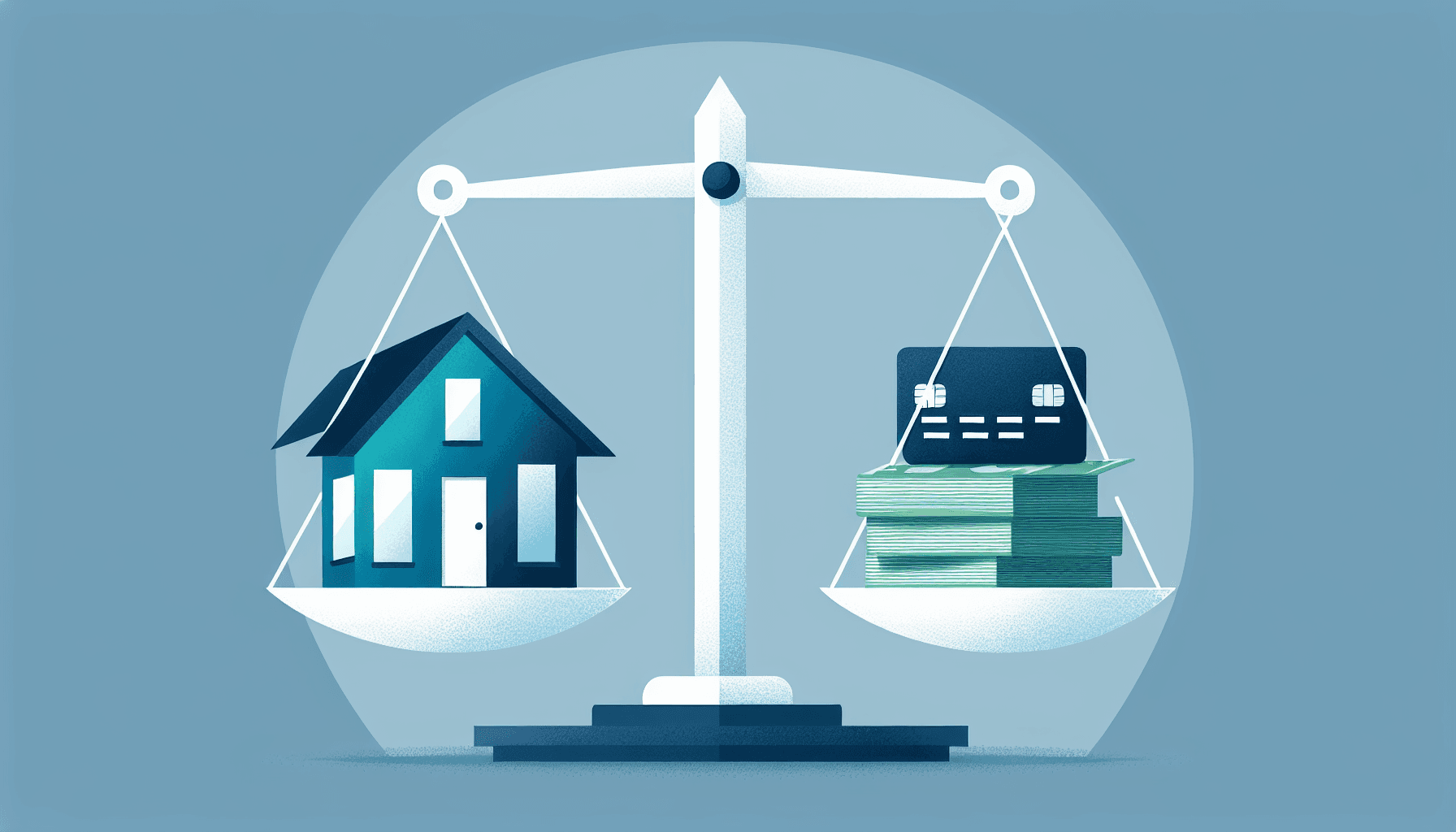
The decision to buy a house while carrying existing debt is a significant financial crossroads. On one hand, homeownership can provide stability and potential appreciation in value. On the other, debt can strain your finances and limit your purchasing power. Here, we explore whether you should pay off debt before buying a house by examining key factors like debt-to-income ratio, credit score impact, and financial goals.
Understanding Debt-to-Income Ratio
The debt-to-income (DTI) ratio is a crucial metric lenders use to assess your ability to manage monthly payments and repay borrowed money. It is calculated by dividing your total monthly debt payments by your gross monthly income. For instance, if you earn $5,000 monthly and pay $1,500 toward debt, your DTI ratio is 30%.
Lenders typically prefer a DTI ratio below 36%, with no more than 28% of that debt going to housing expenses. A high DTI ratio may lead to higher interest rates or even denial of a mortgage. Therefore, reducing debt can improve your DTI, potentially securing better loan terms.
The Impact of Debt on Your Credit Score
Your credit score is another critical factor in the homebuying process. It affects not just your mortgage eligibility but also the interest rate you'll receive. High levels of debt can lower your credit score, especially if it results in high credit utilization rates or missed payments.
For example, if you have a credit card limit of $10,000 and a balance of $8,000, your credit utilization is 80%, which is considered high. Lowering this balance can improve your credit score, making you a more attractive borrower.
When It's Wise to Pay Off Debt First
Paying off debt before purchasing a home might be the best route if:
- Your DTI is High: A DTI above 36% can limit your mortgage options and make it difficult to qualify for favorable terms.
- Interest Rates are Unfavorable: If your credit score results in high mortgage interest rates, reducing debt first can help improve it.
- You Have High-Interest Debt: Prioritizing the repayment of high-interest debt like credit cards can free up more money for future mortgage payments.
When to Consider Buying First
In some scenarios, buying a home while carrying debt can be sensible:
- Debt is Low-Interest and Manageable: If your remaining debt is at low interest rates and you can comfortably manage payments, you might prioritize buying if market conditions are favorable.
- Real Estate Market is Booming: In a rapidly appreciating market, delaying a home purchase to pay off debt might mean missing out on potential equity gains.
- Your Credit Score is Strong: A solid credit score (typically above 720) can secure favorable mortgage terms even with existing debt.
Using Tools for Better Decision-Making
Before making a decision, consider using a Mortgage Payment Calculator to understand potential monthly payments and how they fit into your budget. This tool can help you weigh the benefits of buying now versus later.
Key Takeaway
Deciding whether to pay off debt before buying a house is not one-size-fits-all. It depends on your financial situation, credit profile, and market conditions. Evaluate your DTI, credit score, and the nature of your debts to make an informed decision.
Disclaimer: This article is for educational purposes only and does not constitute financial advice.
Share this article
Further Reading
Ready to run the numbers for your situation?
Browse all free calculators →