How to Save for a House Down Payment
A down payment on a median US home now exceeds $70,000 at 20%. Here is the concrete, structured plan that makes it achievable in 2–4 years.
Educational Disclaimer
Wyzfin calculators and guides are for educational and informational purposes only. They do not constitute financial, tax, or legal advice. The results provided are estimates based on user input and general assumptions. Every financial situation is unique; always consult with a qualified professional before making significant financial decisions.
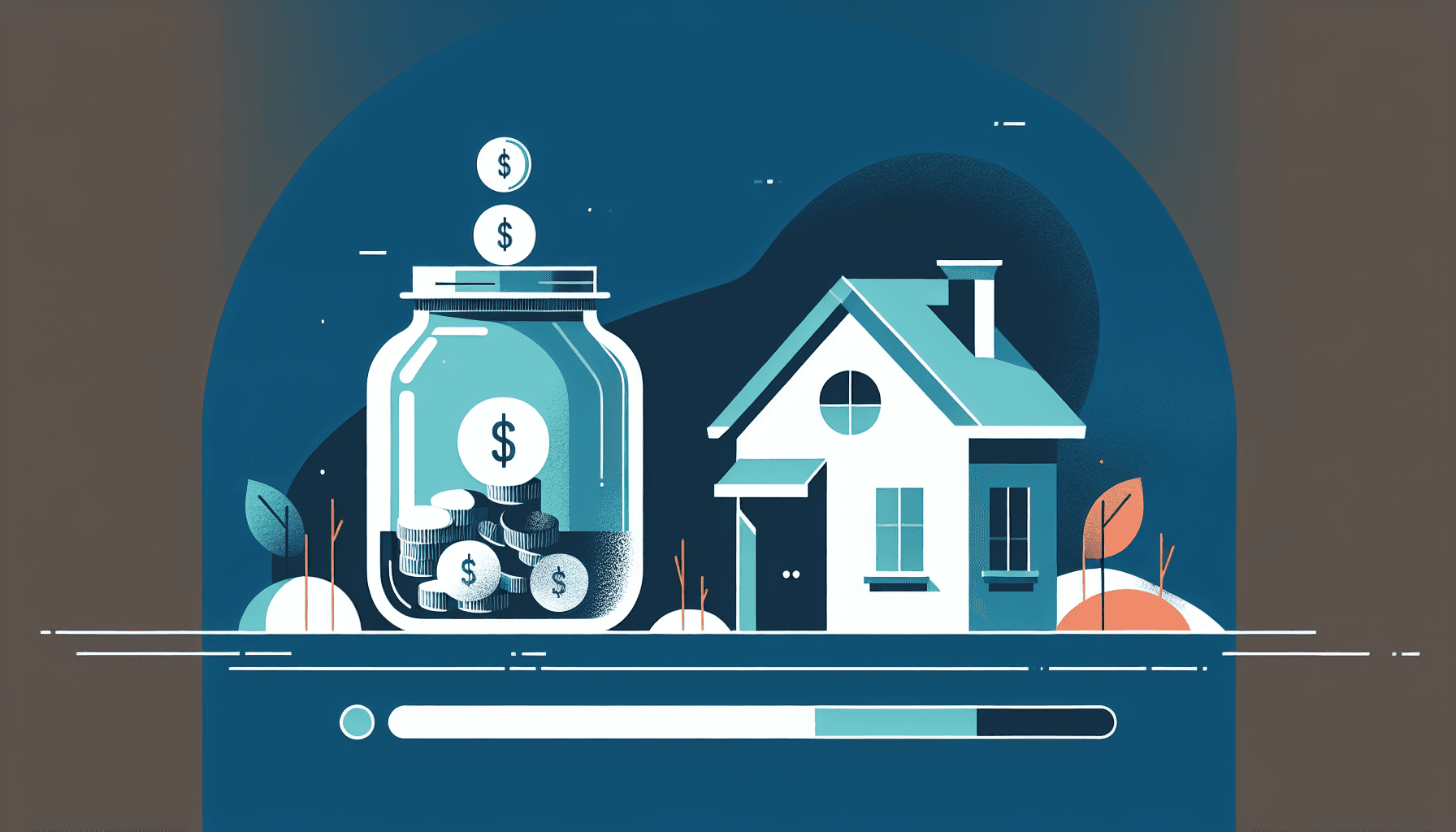
Saving for a down payment is one of the largest financial accumulation challenges most people will face outside of retirement. At current home prices, even a 10% down payment on a median-priced home requires $40,000–70,000 depending on your market.
The good news is that you do not need 20% to buy. And with the right structure, the savings timeline is more manageable than most people assume.
How Much You Actually Need
Down payment requirements vary widely by loan type:
Set Your Target: What Down Payment Makes Sense?
The optimal down payment depends on your financial situation, not just the conventional wisdom of "20% or bust." Here is how to think about it:
- 20% down: Eliminates PMI, best rates, lower monthly payment. Optimal if you can do it without depleting your emergency fund.
- 10% down: A reasonable middle ground. PMI applies but is cancellable once you reach 20% equity. Lets you buy sooner and start building equity.
- 3–5% down: Gets you in the door with less capital. Higher monthly payment and PMI, but may make sense in appreciating markets where waiting costs you more in price increases.
Do Not Drain Your Emergency Fund
A critical mistake: buyers who put every dollar into a down payment and have no reserves when the furnace dies or a medical bill arrives. Most lenders require 2–3 months of mortgage payments in reserves after closing anyway. Plan to keep at least $10,000 in liquid savings beyond the down payment.
Where to Park Your Down Payment Savings
Because a down payment is a near-term goal (typically 2–5 years away), it should not be invested in stocks. A market downturn the year before you buy could delay your purchase by years.
The best vehicle is a High-Yield Savings Account (HYSA). Top HYSAs currently pay 4–5% APY — dramatically more than the 0.01% national average for traditional savings accounts. On $50,000, that is $2,000–2,500/year in interest vs. $5. FDIC insured. Fully liquid.
The Dedicated Account Strategy
Open a separate HYSA account specifically for your down payment — not your regular savings. Give it a nickname like "House 2027." This separation creates psychological ownership and prevents the money from being absorbed into daily spending. Automate a fixed monthly transfer on payday so it moves before you see it.
First-Time Buyer Programs Most People Miss
Down payment assistance is more widely available than most buyers realize. Before assuming you need to save the full amount yourself, research these options:
- State Housing Finance Agency (HFA) Programs: Every state has one. Many offer grants (free money, not repaid) of 2–5% for first-time buyers meeting income and purchase price limits.
- HUD-Approved Down Payment Assistance: Programs like National Homebuyers Fund and the Home is Possible program in some states offer forgivable loans.
- Roth IRA First-Home Exception: You can withdraw up to $10,000 in Roth IRA earnings (tax and penalty free) for a first-time home purchase, in addition to contributions.
- Gift Funds: Conventional and FHA loans allow down payments to come entirely from gifts from family members, with a gift letter.
The Monthly Savings Math
Work backward from your target. If you need $50,000 in 3 years, that is $1,389/month. If 4 years, $1,042/month. At 5% HYSA APY, the actual required monthly contribution is slightly lower due to interest earned.
If the monthly savings required exceeds what your budget allows, you have three levers: lower your target down payment percentage, extend your timeline, or increase income/reduce expenses. There is no wrong answer — trade-offs are just trade-offs.
Your Down Payment Savings Action Plan
Follow this sequence to get from zero to funded:
- 1Define Your Target: Choose a realistic price range for homes in your target area. Multiply by 10% or 20% to set your savings goal. Add $10,000–15,000 for closing costs and reserves.
- 2Open a Dedicated HYSA: Set up an account specifically for the down payment at a top-yield bank (Marcus, Ally, SoFi, or similar). Nickname it your target year.
- 3Automate Monthly Contributions: Divide your goal by months remaining and set up an automatic transfer on payday. Treat it as non-negotiable as rent.
- 4Research Assistance Programs: Visit your state HFA website and HUD.gov to identify first-time buyer grants or assistance you may qualify for.
Frequently Asked Questions
Know exactly what your mortgage will cost
Use our mortgage calculator to model different down payment scenarios and see the full monthly payment breakdown.

Daniel Reeves
Wyzfin Editorial Team
Daniel Reeves is a pen name used by the Wyzfin editorial team. Our content is researched and written by finance enthusiasts and reviewed for accuracy before publication.
View Author ProfileLast Updated: May 2026
Wyzfin guides are for educational purposes only and do not constitute financial or mortgage advice. Loan programs and assistance availability change frequently — verify current details with a licensed mortgage professional.